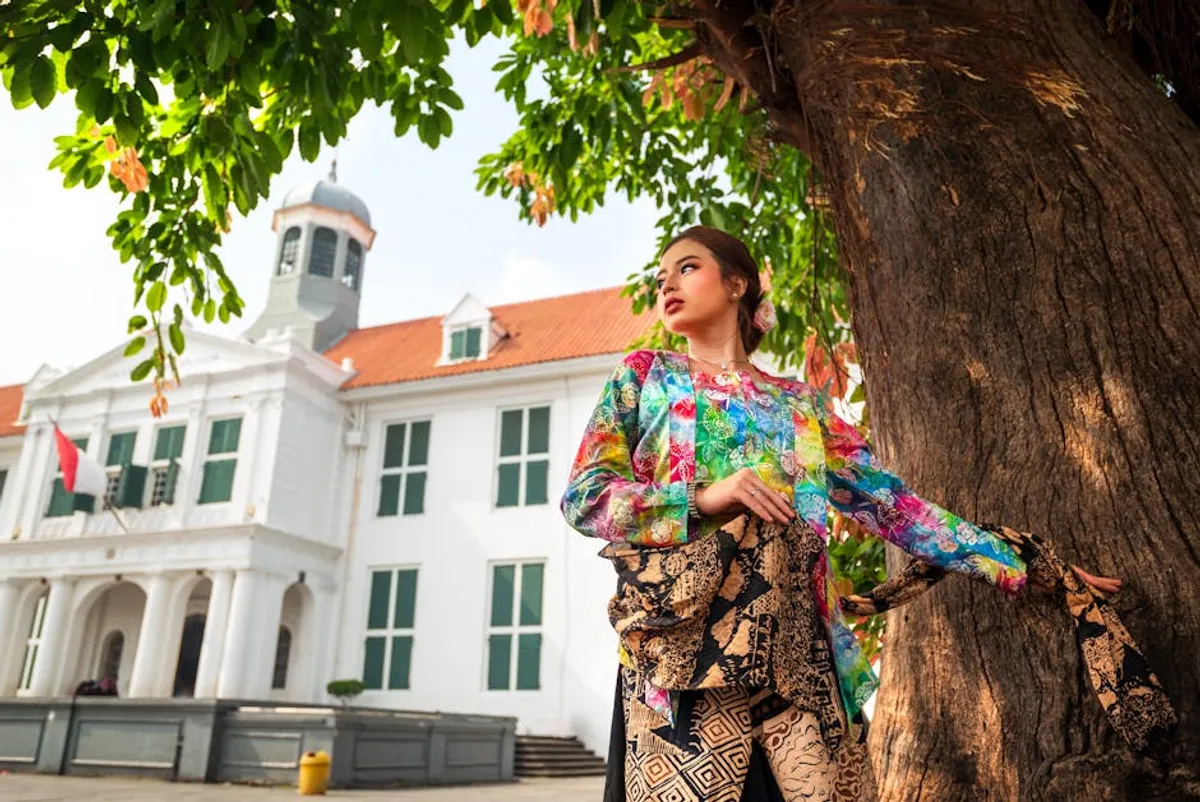
The kebaya, a garment steeped in Indonesian cultural heritage, has evolved from traditional attire into a versatile fashion statement. Modern interpretations blend classic silhouettes with contemporary design elements, offering a spectrum of styles that are both beautiful (cantik) and elegant (elegan). This guide navigates the nuances of current kebaya aesthetics, providing a framework for understanding popular styles, emerging trends, and practical considerations for selecting and styling a kebaya that reflects personal sophistication.
Understanding the Modern Kebaya Aesthetic
The core of an elegant kebaya lies in its ability to balance traditional charm with modern wearability. This balance is achieved through thoughtful fabric selection, precise tailoring, and a refined approach to embellishments. Contemporary designs often feature cleaner lines and less overt ornamentation compared to their historical counterparts, allowing the fabric's quality and the garment's cut to take precedence. The modern aesthetic frequently incorporates lighter materials for comfort, while still maintaining the structured grace characteristic of the kebaya.
Key considerations for modern elegance:
- Fabric Integrity: High-quality materials like French lace, premium brocade, silk, or fine cotton blends contribute significantly to the garment's drape and overall luxurious feel. The texture and sheen of the fabric dictate how light interacts with the kebaya, influencing its perceived elegance.
- Tailored Fit: A well-fitted kebaya enhances the wearer's silhouette without being restrictive. This often means custom tailoring or selecting pieces with adjustable features to ensure a flattering line across the shoulders, bust, and waist.
- Subtle Embellishments: While intricate beading or embroidery remains popular, modern elegant kebayas often opt for strategically placed, minimalist embellishments. This could involve delicate pearl work along the neckline, sparse crystal accents, or tone-on-tone embroidery that adds texture without overwhelming the design.
- Color Palette: Beyond traditional vibrant hues, modern elegance often leans towards sophisticated pastels, muted earth tones, or classic neutrals like ivory, champagne, navy, and black. These palettes offer versatility and a timeless appeal.
Key Kebaya Style Categories and Their Applications
Understanding the distinct characteristics of various kebaya styles is crucial for informed selection, matching the garment to the occasion and personal preference.
Kebaya Kutubaru: Traditional Refinement
The Kutubaru style is distinguished by its connecting panel (bef) that bridges the two front flaps, creating a V-neckline. This design offers a classic, structured look that is inherently formal. Modern Kutubarua often feature slightly extended lengths or contemporary sleeve variations while retaining the iconic front panel.
Best for: Formal ceremonies, traditional weddings, cultural events, official functions.
Kebaya Encim: Peranakan Charm
Originating from the Peranakan culture, the Encim kebaya is typically shorter, with an open V-neckline and intricate embroidery, often floral, around the collar and cuffs. It presents a more relaxed yet still elegant silhouette. Contemporary versions might feature lighter fabrics and modernized embroidery patterns.
Best for: Semi-formal gatherings, cultural celebrations, garden parties, daytime events.
Kebaya Brokat Modern: Contemporary Glamour
Brocade fabric, known for its rich, embossed patterns, forms the foundation of this style. Modern brocade kebayas often incorporate contemporary cuts, such as peplum waists, asymmetric hemlines, or sheer paneling. The inherent shimmer and texture of brocade lend themselves to luxurious, statement-making pieces.
Best for: Evening galas, wedding receptions, high-profile events, formal dinners.
Kebaya Tunik: Modest and Flowing
The kebaya tunik offers a longer, more flowing silhouette, often extending to the hips or knees. This style prioritizes comfort and modesty, making it a popular choice for those seeking coverage without sacrificing elegance. Designs vary from simple, unadorned pieces to those with delicate embroidery or lace accents.
Best for: Everyday elegant wear, religious ceremonies, casual-to-semi-formal gatherings, travel.
Kebaya Peplum: Structured Sophistication
Characterized by a flared ruffle attached at the waist, the peplum kebaya adds a distinct, structured element that accentuates the waistline. This style is particularly effective in creating an hourglass silhouette and adding a contemporary fashion-forward edge to the traditional garment.
Best for: Professional events, cocktail parties, contemporary weddings, fashion-conscious gatherings.
Current Kebaya Trends to Watch
The kebaya landscape is constantly evolving, with designers introducing fresh perspectives while honoring its heritage. Staying current with trends helps in making informed style choices.
- Minimalist Designs: Clean lines, solid colors, and minimal embellishments are gaining traction. This trend emphasizes the silhouette and fabric quality, offering a sophisticated and understated elegance.
- Pastel and Earth Tones: Muted color palettes, including soft lavenders, dusty roses, sage greens, and terracotta, provide a contemporary alternative to traditional vibrant hues, offering versatility for various skin tones and occasions.
- Sheer Sleeves and Panels: Incorporating sheer lace or organza on sleeves, backs, or as strategic paneling adds a touch of modern allure and lightness without compromising modesty.
- Asymmetric Cuts: Hemlines that are longer at the back or feature diagonal cuts introduce a dynamic, modern edge to the traditional kebaya silhouette.
- Detachable Elements: Designs with detachable peplums, capes, or exaggerated sleeves offer versatility, allowing a single kebaya to be styled differently for various events.
- Mix-and-Match Fabrics: Combining different textures, such as brocade with organza or lace with silk, creates visual interest and depth, offering a unique, personalized look.
Pro Tip: Prioritize fit over size. A perfectly tailored Kebaya, even in a simpler design, always appears more elegant than an ill-fitting, ornate one. Invest in professional alterations to achieve a silhouette that complements your body shape, enhancing the garment's inherent beauty and ensuring comfort throughout any event.
Accessorizing for an Elegant Kebaya Look
Accessories play a pivotal role in completing and elevating a kebaya ensemble. The goal is to complement, not overpower, the garment.
- Jewelry: Opt for pieces that align with the kebaya's style. For ornate kebayas, minimalist earrings or a single bracelet suffice. For simpler designs, a statement necklace or intricate earrings can add sparkle. Traditional Indonesian jewelry, such as pending brooches or elaborate hairpins (sanggul), can enhance cultural authenticity.
- Footwear: Heels, particularly stilettos or block heels, are common for formal kebaya looks, elongating the silhouette. For more casual or comfortable styles, elegant flats or embellished sandals can be appropriate. Match shoe color to the kebaya or opt for neutral tones.
- Clutch or Handbag: A small, elegant clutch or a structured handbag is preferred. Materials like satin, embellished fabric, or fine leather in complementary colors work best. Avoid overly large or casual bags that detract from the kebaya's elegance.
- Shawls or Scarves: For added modesty, warmth, or a touch of flair, a silk or chiffon shawl can be draped elegantly over the shoulders. Choose a color that complements the kebaya or provides a subtle contrast.
Selecting Your Ideal Kebaya: Practical Considerations
Beyond style and trends, practical factors influence the best kebaya choice for you.
Occasion Appropriateness: Evaluate the formality and nature of the event. A heavily embellished brocade kebaya for a casual gathering might be out of place, just as a simple cotton tunik kebaya might not suit a formal wedding reception.
Comfort and Movement: Consider the duration of wear and required mobility. Lighter fabrics and less restrictive cuts are preferable for long events or those involving dancing. Ensure the lining material is breathable.
Budget: Kebayas range significantly in price based on fabric, craftsmanship, and designer. Set a realistic budget and explore options within that range, focusing on quality and fit over excessive ornamentation.
Body Shape: Different kebaya cuts flatter various body types. Peplum styles can define waists, while Kutubaru offers a structured look. Experiment with different silhouettes to find what best enhances your figure.
Elevating Your Kebaya Style
The journey to mastering elegant kebaya style involves continuous exploration and refinement. Pay attention to how different designers interpret traditional elements, and don't hesitate to personalize your look through thoughtful accessorizing and styling. The true elegance of a kebaya emerges when it is worn with confidence, reflecting both cultural appreciation and individual flair. Investing in quality pieces and ensuring proper fit are foundational steps, allowing the beauty of the garment and the wearer to shine through seamlessly.
Pertanyaan Umum Seputar Kebaya Elegan
Apa perbedaan antara kebaya tradisional dan modern?
Kebaya tradisional seringkali memiliki potongan yang lebih pas badan, lengan panjang, dan hiasan yang rumit, menggunakan bahan seperti brokat atau beludru. Kebaya modern cenderung lebih fleksibel dalam potongan (misalnya, tunik, peplum), menggunakan berbagai jenis kain (termasuk yang lebih ringan), dan memiliki desain yang lebih minimalis atau sesuai tren kontemporer.
Bagaimana cara memilih warna kebaya yang tepat?
Pilih warna yang sesuai dengan warna kulit Anda dan acara yang akan dihadiri. Warna-warna netral seperti krem, abu-abu, atau pastel seringkali memberikan kesan elegan dan serbaguna. Untuk acara yang lebih meriah, warna permata seperti zamrud atau safir dapat menjadi pilihan. Selalu pertimbangkan juga warna bawahan (batik atau kain lainnya) agar serasi. Memilih warna kebaya yang tepat dapat meningkatkan penampilan Anda secara keseluruhan, jadi pertimbangkanlah panduan warna kebaya trend 2025.
Apakah kebaya hanya cocok untuk acara formal?
Tidak. Meskipun kebaya identik dengan acara formal, banyak desain modern, seperti kebaya tunik atau kebaya dengan bahan katun ringan, cocok untuk acara semi-formal, kasual elegan, atau bahkan pakaian sehari-hari yang stylish, tergantung pada padu padan dan aksesorisnya.
Bagaimana cara merawat kebaya agar tetap awet?
Sebagian besar kebaya, terutama yang berbahan brokat, lace, atau sutra dengan hiasan, sebaiknya dicuci kering (dry clean) untuk menjaga bentuk dan integritas kain serta hiasannya. Jika mencuci sendiri, gunakan deterjen lembut dan air dingin, hindari memeras, dan keringkan di tempat teduh dengan cara digantung atau dibentangkan datar.