Navigating the evolving landscape of fashion trends requires foresight, especially when planning for the commercial implications of design and inventory. For 2025, the color palettes for kebaya are shifting, influenced by global fashion movements, sustainable practices, and a renewed appreciation for cultural narratives. This guide provides a strategic overview of the dominant color trends, practical styling ideas, and sources of inspiration to inform design decisions, marketing campaigns, and product development cycles for the upcoming year.
Understanding the 2025 Kebaya Color Landscape
The selection of colors for kebaya in 2025 is less about singular shades and more about harmonious palettes that evoke specific moods and align with broader consumer sentiments. These trends are not arbitrary; they emerge from a confluence of socio-economic factors, technological advancements, and a collective desire for either grounding authenticity or aspirational modernity. Identifying these core palettes early allows for proactive material sourcing, design conceptualization, and targeted marketing efforts.
Core Palettes for 2025
The prevailing color narratives for 2025 kebaya designs coalesce around three primary themes, each presenting distinct commercial opportunities:
- Earthen Neutrals and Warm Tones: Expect a strong presence of colors like terracotta, sand, muted olive, and deep rust. These shades resonate with a desire for connection to nature, sustainability, and understated elegance. Their appeal lies in versatility and a sophisticated warmth that complements various skin tones. For retailers, this palette ensures broad market acceptance and ease of accessorizing.
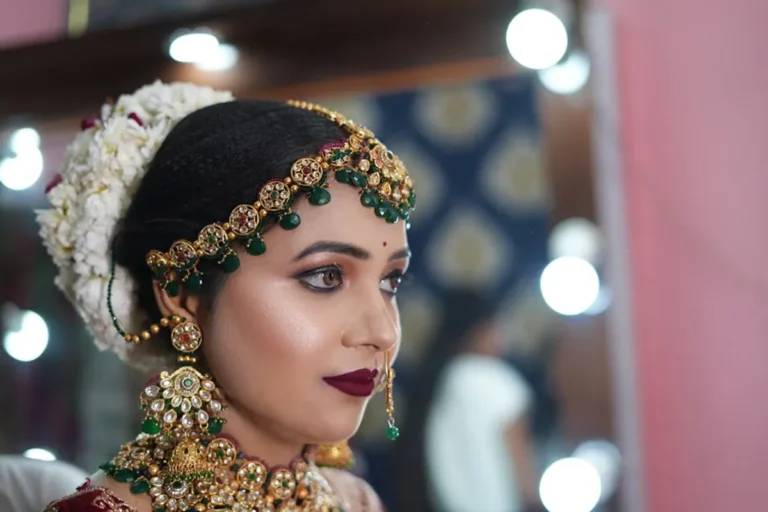
- Revitalized Jewel Tones: While classic, jewel tones for 2025 are presented with a fresh intensity. Think emerald green, sapphire blue, amethyst purple, and ruby red, often with a slightly desaturated or smoky quality to prevent overt opulence. These colors are chosen for their ability to convey luxury and celebration, making them ideal for formal wear and special occasions. The commercial value here lies in their premium perception and suitability for higher-end collections.
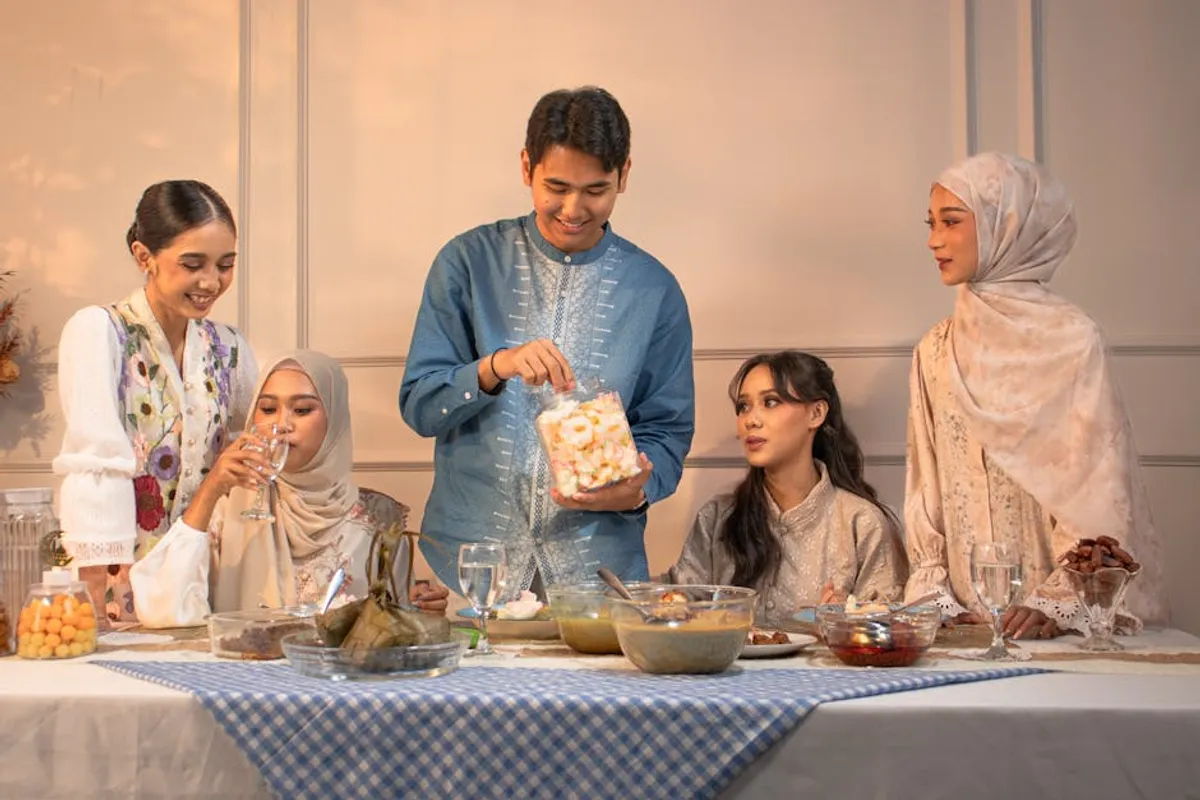
- Soft Pastels with a Modern Edge: Beyond traditional baby pinks and blues, 2025 pastels incorporate shades like dusty rose, mint green, lavender haze, and pale sky blue. These are often infused with a subtle grey undertone, lending them a contemporary, sophisticated appeal rather than a saccharine one. They cater to a demographic seeking freshness, youthfulness, and a delicate aesthetic, suitable for daytime events, semi-formal gatherings, and even modern bridal wear.
Style Guide: Integrating Trend Colors into Kebaya Designs
Color alone does not define a trend; its application through fabric, texture, and embellishment dictates its commercial viability and aesthetic impact. Strategic integration ensures that trending colors translate into desirable garments.
Fabric and Texture Pairings
The choice of fabric significantly alters how a color is perceived and worn. For 2025, the interplay between color and texture is crucial:
- Earthen Neutrals: Best paired with natural fibers like raw silk, linen blends, and matte brocades. These textures enhance the organic, grounded feel of the colors, adding depth without shine. This combination appeals to consumers prioritizing comfort, natural aesthetics, and artisanal craftsmanship.
- Revitalized Jewel Tones: Demand luxurious textures such as rich velvet, shimmering silk, and intricate lace or sequined fabrics. The goal is to amplify their inherent richness. For brands, this means selecting materials that reflect light elegantly and drape well, justifying a higher price point through perceived quality and opulence.
- Soft Pastels: Flourish on lightweight, flowing materials like organza, chiffon, and delicate lace. These fabrics allow the subtle nuances of the pastel shades to emerge, creating an ethereal and graceful silhouette. Commercial success here relies on showcasing the fabric's movement and delicate transparency.
Embellishment and Detail Trends
Embellishments provide the final layer of trend integration, allowing for customization and differentiation:
- Minimalist Embroidery: For earthen neutrals and soft pastels, fine, tone-on-tone embroidery or subtle beadwork in complementary metallic shades (e.g., antique gold or rose gold) offers refinement without overwhelming the primary color. This approach emphasizes craftsmanship and sophisticated restraint.
- Statement Beading and Sequin Work: Jewel tones can support more elaborate embellishments. Think intricate patterns of matching or contrasting beads, often concentrated on cuffs, necklines, or as a central motif. The commercial appeal is in creating visually striking pieces suitable for grand events.
- Three-Dimensional Floral Appliqués: A growing trend across all palettes, particularly with pastels, involves delicate floral appliqués crafted from fabric or lace. These add textural interest and a romantic dimension, providing a unique selling point for designers.
Pro Tip: When integrating 2025 color trends, consider the specific cultural context and regional preferences of your target market. While global trends offer a broad framework, local interpretations often dictate commercial success. A deep emerald might be highly sought after in one region for formal events, while a muted olive green could dominate everyday wear in another. Conduct granular market research to identify these localized nuances.
Ideas for Modern Kebaya Applications
Translating color and style trends into marketable products requires understanding specific use cases and adapting designs accordingly.
Bridal and Formal Wear
For 2025, bridal kebayas will see a departure from strictly white or off-white, embracing sophisticated pastels like dusty rose or pale gold for a modern, romantic aesthetic. Jewel tones, particularly emerald and sapphire, will feature prominently in bridesmaids' kebayas or for guests attending high-profile events, often paired with metallic accents for added glamour. The commercial opportunity lies in offering curated collections that provide cohesive looks for entire wedding parties, expanding beyond individual garment sales.
Everyday and Semi-Formal Kebaya
Earthen neutrals are poised to dominate the everyday and semi-formal segments. Designs will focus on comfort and adaptability, utilizing simpler silhouettes and breathable fabrics. These kebayas can be easily dressed up or down, appealing to the modern woman seeking versatility in her wardrobe. For businesses, this means developing capsule collections that allow for mix-and-match styling, increasing the perceived value and utility of each piece.
Inspiration for Designers and Wearers
Beyond direct trend reports, inspiration for 2025 kebaya colors and styles can be drawn from broader cultural and artistic movements.
Cultural Nuances and Contemporary Adaptations
Indonesian heritage remains a profound source of inspiration. Designers can explore traditional batik motifs, weaving patterns, and regional costume elements, reinterpreting them with 2025's trending colors. For instance, traditional motifs rendered in modern pastels or earthy tones create a fusion aesthetic that respects heritage while appealing to contemporary tastes. This approach offers a strong narrative for marketing, emphasizing authenticity and cultural pride.
Global Fashion Influences
Observing international runway shows, interior design trends, and art exhibitions provides valuable insights into emerging color harmonies and textural preferences. For example, a resurgence of art deco influences might suggest a stronger emphasis on geometric patterns and metallic accents alongside jewel tones. These broader influences help position kebaya within a global fashion context, expanding its appeal beyond traditional boundaries.
Implementing 2025 Kebaya Color Trends
Successfully integrating 2025's kebaya color trends into product lines or personal wardrobes requires a strategic approach. Prioritize understanding your specific audience's preferences and the occasions for which the kebaya will be worn. Focus on quality materials that enhance the chosen colors and consider how different textures and embellishments can elevate the overall design. By aligning color choices with broader cultural and fashion narratives, designers and retailers can create collections that are not only aesthetically pleasing but also commercially resonant and culturally relevant.
Frequently Asked Questions
What are the dominant color palettes for 2025 kebaya?
The dominant palettes for 2025 kebaya include earthen neutrals (terracotta, sand, muted olive), revitalized jewel tones (emerald, sapphire, amethyst with a smoky quality), and soft pastels with a modern edge (dusty rose, mint green, lavender haze with grey undertones).
How can I ensure my kebaya design remains timeless while following trends?
To ensure timelessness, focus on classic kebaya silhouettes and high-quality craftsmanship. Integrate trending colors in a way that complements, rather than dictates, the design. Opt for more subtle applications of trend colors or pair them with enduring neutral bases to maintain lasting appeal.
Are there specific fabric types that pair best with 2025 trending colors?
Earthen neutrals pair well with natural, matte fabrics like raw silk and linen blends. Jewel tones shine on luxurious materials such as velvet, shimmering silk, and intricate lace. Soft pastels are best showcased on delicate, flowing fabrics like organza and chiffon to enhance their ethereal quality.
How do I adapt 2025 kebaya color trends for different occasions?
For formal events, utilize revitalized jewel tones with elaborate embellishments. For bridal or romantic occasions, soft pastels with delicate appliqués are ideal. For everyday or semi-formal wear, earthen neutrals in comfortable fabrics and simpler silhouettes offer versatility and understated elegance.