
The salwar suit, a versatile garment rooted in South Asian tradition, has evolved into a staple for diverse occasions, from daily wear to grand celebrations. Its adaptability stems from a wide array of silhouettes, fabrics, and embellishments, each dictating a different level of formality and aesthetic. Making an informed choice requires understanding these distinctions, ensuring your ensemble aligns seamlessly with the event's dress code and your personal style.
Understanding Salwar Suit Silhouettes for Occasion-Specific Styling
The foundation of any salwar suit lies in its cut and drape, which inherently communicate formality and comfort. Selecting the appropriate silhouette is the first step in curating an outfit for a specific event.
Anarkali Suits: Grandeur and Flow
Anarkali suits feature a long, frock-style top (kurta) that flares out from the waist or bust, often reaching ankle length. This silhouette is inherently formal and celebratory due to its voluminous design and often elaborate embellishments. The extensive fabric usage and flowing movement make it suitable for weddings, festive gatherings, and formal receptions. They are typically paired with churidar pants and a dupatta.
Straight-Cut Suits: Modern and Refined
Characterized by a straight, tailored kurta that falls parallel to the body, straight-cut suits offer a sleek and contemporary aesthetic. Their clean lines make them highly adaptable. Depending on the fabric and embroidery, they can transition from office wear (cotton, minimal embellishment) to semi-formal events (silk, subtle embroidery). They are commonly worn with straight pants, cigarette pants, or even narrow palazzos, providing a balanced and polished look.
Punjabi Suits: Traditional Vibrancy
The traditional Punjabi suit comprises a short to medium-length kurta, a loose-fitting salwar (pleated trousers gathered at the ankle), and a dupatta. This style prioritizes comfort and ease of movement, making it ideal for daily wear, informal gatherings, and cultural events where activity is expected. Fabrics like cotton and linen are common, often featuring vibrant prints or simple embroidery. The relaxed fit offers practicality without sacrificing cultural authenticity.
Palazzo Suits: Contemporary Comfort
Palazzo suits pair a kurta (often straight-cut or A-line) with wide-legged palazzo pants. This combination offers both comfort and a modern, chic appeal. The flowing nature of palazzo pants provides an elegant alternative to traditional salwars or churidars, making this style suitable for semi-formal events, brunches, and evening gatherings. Fabric choices, from breathable cottons to luxurious silks, dictate the overall formality.
Sharara and Gharara Suits: Festive Elegance
Sharara suits feature wide-legged, flared pants that are fitted at the waist and flare dramatically from the knee, often with a distinct seam. Ghararas are similar but flare from above the knee. Both styles are inherently festive and glamorous, making them a popular choice for weddings, Eid celebrations, and significant family events. They are typically adorned with rich embroidery, sequins, and intricate detailing, paired with a short or medium-length kurta.
Material and Embellishment: Impact on Formality
The fabric and decorative work on a salwar suit are critical determinants of its suitability for different occasions, influencing drape, comfort, and visual impact.
- Cotton and Linen: These natural fibers offer breathability and comfort, making them ideal for daily wear, casual outings, and summer events. They drape softly and are often chosen for simple prints or minimal embroidery.
- Georgette and Chiffon: Lightweight and flowing, these fabrics lend an ethereal quality, suitable for semi-formal gatherings, evening parties, and daytime celebrations. They drape well and are often used for layered or embellished designs.
- Silk and Raw Silk: Known for their rich texture and sheen, silks elevate a salwar suit to formal status. They are perfect for weddings, receptions, and significant festive occasions. Silk suits often feature intricate zari, resham, or dabka embroidery.
- Velvet: A luxurious and heavy fabric, velvet is reserved for winter formal events, evening parties, and grand celebrations. Its deep texture and warmth make it a statement choice, often embellished with heavy embroidery.
- Embellishments: Subtle thread work, block prints, or minimal mirror work are appropriate for casual and semi-formal wear. Heavy zari, stone work, intricate resham embroidery, or sequin detailing signify formal and celebratory attire. The density and type of embellishment directly correlate with the suit's formality.
Styling for Specific Occasions
Matching your salwar suit to the event's context is crucial for projecting an appropriate and polished image.
Everyday Wear and Casual Gatherings
Best for: Errands, informal visits, relaxed social events.
Opt for cotton or linen Punjabi suits or straight-cut suits with minimal prints or light embroidery. Prioritize comfort and ease of movement. Pair with simple flats like juttis or sandals. Keep accessories minimal – stud earrings or a simple bracelet suffice.
Office and Professional Settings
Best for: Workplace, business meetings, professional conferences.
Choose straight-cut or A-line suits in subdued colors like pastels, neutrals, or deep solids. Fabrics like cotton, rayon, or subtle silk blends are appropriate. Embroidery should be minimal, perhaps confined to the neckline or cuffs. Pair with closed-toe flats or low heels and a structured handbag. Avoid overly bright colors, heavy embellishments, or revealing cuts.
Festive Celebrations and Religious Events
Best for: Diwali, Eid, Puja ceremonies, family functions.
Anarkali, palazzo, or straight-cut suits in richer fabrics like silk, georgette, or chanderi are suitable. Look for moderate to heavy embroidery, zari work, or traditional prints. Vibrant colors are encouraged. Accessorize with traditional jewelry like jhumkas, bangles, and embellished mojris or block heels. A well-draped, embellished dupatta is key.
Weddings and Grand Receptions
Best for: Wedding ceremonies, sangeet, reception parties.
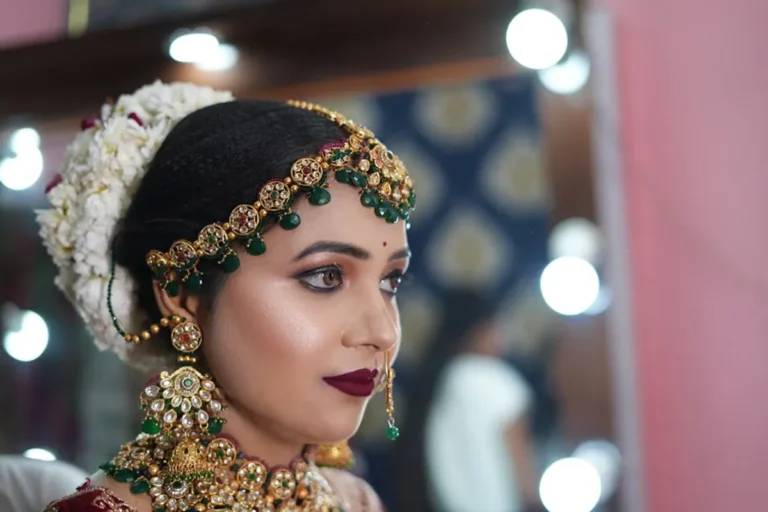
This category demands the most elaborate choices. Heavy Anarkalis, shararas, or ghararas in silk, velvet, or heavily embroidered georgette are ideal. Colors can be bold and rich – reds, maroons, royal blues, or emerald greens. Embellishments should be extensive, featuring intricate zari, stone, sequin, or pearl work. Pair with high heels, statement jewelry (choker, long earrings, maang tikka), and an ornate clutch. The dupatta should be equally grand, often with heavy borders.
Pro Tip: When selecting a salwar suit for a formal event, consider the lighting. Heavily embellished fabrics like velvet or silk with metallic embroidery will shimmer beautifully under artificial light, while lighter fabrics with subtle work might be more suitable for daytime outdoor events. Always test the drape and comfort, especially if the event involves prolonged sitting or movement.
Evening Parties and Social Events
Best for: Dinner parties, social gatherings, cultural performances.
A stylish palazzo suit, a contemporary straight-cut ensemble with unique detailing, or a chic Anarkali in a modern print or cut can work. Fabrics like georgette, crepe, or lighter silks are excellent. Focus on sophisticated embroidery, interesting necklines, or contemporary color palettes. Pair with stiletto heels or elegant wedges and a designer clutch. Statement earrings or a cocktail ring can complete the look.
Current Trends and Styling Inspiration
Staying updated with current trends allows for fresh, relevant styling while respecting traditional aesthetics.
- Pastel Power: Soft hues like mint green, lavender, powder blue, and blush pink are popular, often paired with tone-on-tone embroidery for a subtle yet sophisticated look.
- Jacket Style Suits: Layering a short or long jacket over a kurta, often with intricate embroidery, adds a contemporary and structured dimension, especially for semi-formal events.
- Fusion Silhouettes: Experimenting with asymmetrical hemlines, cape-style dupattas, or pairing kurtas with dhoti pants offers a modern twist on traditional designs.
- Minimalist Embroidery: For a clean aesthetic, suits with delicate, sparse embroidery, often in metallic threads, are gaining traction, focusing on fabric quality and cut.
- Bold Floral Prints: Large, vibrant floral motifs on georgette or silk fabrics provide a fresh and lively option for festive and celebratory occasions.
Accessorizing Your Salwar Suit: Completing the Look
Accessories are not mere afterthoughts; they are integral to defining the overall impact of your salwar suit. For formal events, heavy traditional jewelry like kundan or polki sets, along with embellished footwear such as juttis or ornate heels, elevate the ensemble. A potli bag or a heavily embroidered clutch complements the richness. For casual or office wear, opt for minimalist silver or gold-toned jewelry, comfortable sandals or simple pumps, and a functional tote bag or a small crossbody. The dupatta's drape and embellishment also act as a significant accessory, capable of transforming a simple suit into a statement piece.
Practical Styling Considerations
When selecting and styling a salwar suit, consider the practical aspects beyond aesthetics. Fabric choice impacts comfort and durability; cotton and linen are ideal for warm climates and extended wear, while silks and velvets suit cooler environments and shorter durations. The fit should allow for comfortable movement, especially for events involving dancing or prolonged activity. Invest in quality inner linings for sheer fabrics to ensure modesty and a smooth drape. Finally, consider the overall color palette – ensure it complements your skin tone and the event's ambiance. A well-chosen and thoughtfully accessorized salwar suit can be a powerful expression of personal style and cultural appreciation.
Frequently Asked Questions
How do I choose the right fabric for my salwar suit?
Select fabrics based on the occasion and weather. Cotton and linen are best for daily wear and warm climates, georgette and chiffon for semi-formal events, and silk or velvet for formal occasions and cooler weather due to their luxurious feel and heavier drape.
What type of salwar suit is appropriate for a professional setting?
A straight-cut or A-line suit in cotton, rayon, or subtle silk blends with minimal embroidery or solid colors is ideal. Pair with tailored pants or narrow palazzos, closed-toe footwear, and discreet accessories to maintain a professional appearance.
Can I wear a salwar suit to a Western-style party?
Yes, a contemporary salwar suit can be appropriate. Opt for modern silhouettes like palazzo suits or fusion styles with unique cuts in sophisticated fabrics like crepe or georgette. Focus on subtle embellishments and pair with contemporary jewelry and heels for a chic, cross-cultural look.