
Men with straight hair possess a distinct advantage: the hair’s natural fall creates clean lines and sharp silhouettes, allowing for a range of precise and structured haircuts. Unlike wavy or curly textures that inherently offer volume and movement, straight hair often requires specific cutting techniques and styling products to achieve desired body, texture, or a sleek finish. The choice of haircut for straight hair is less about fighting its natural characteristics and more about enhancing its inherent strengths, whether that involves maximizing its smooth drape or introducing strategic layering to prevent flatness.
Understanding Straight Hair Dynamics
Straight hair, characterized by its lack of natural curl, presents both opportunities and challenges for styling. Its cuticle lies flat, reflecting light efficiently and often resulting in a natural shine. This structure also means it tends to fall uniformly, making it ideal for geometric cuts and styles that emphasize precision.
The Benefits of Straight Hair
The inherent smoothness of straight hair makes it highly receptive to sharp, defined cuts. Styles like the classic side part or a crisp undercut benefit significantly from hair that maintains its shape without frizz or unruly waves. It often appears naturally sleek and well-groomed with minimal effort, provided the cut itself is well-executed. Furthermore, straight hair typically requires less product to achieve a polished look, as its natural texture already leans towards a refined finish.
Common Challenges and Considerations
While advantageous for certain styles, straight hair can also present specific challenges. Its tendency to lie flat means volume can be difficult to achieve and maintain, often requiring pre-styling products and blow-drying techniques. Without strategic layering, longer straight hair can appear heavy or lack movement. Additionally, any imperfections in a haircut, such as uneven lines or blunt ends, are more pronounced in straight hair due to its uniform fall. Product residue or oiliness can also be more visible, necessitating careful product selection and washing routines.
Classic Straight-Hair Haircuts: Enduring Styles
Certain haircuts have become staples for men with straight hair due to their ability to complement the texture's natural characteristics. These styles are defined by their clean lines, structure, and adaptability.
The Undercut
The undercut features short sides and back, often buzzed to a uniform length, contrasted with significantly longer hair on top. This creates a distinct separation and allows the top hair to be styled in various ways, from slicked back to swept to the side. For straight hair, the undercut emphasizes the contrast between the clipped sides and the smooth, flowing top. It provides a sharp, modern aesthetic while keeping the sides tidy.
Best for: Men seeking a bold, contemporary look with minimal maintenance on the sides and flexibility for styling the top. It works particularly well for those with strong jawlines or defined facial features.
The Side Part
A timeless and versatile option, the side part involves creating a distinct part line and sweeping the hair to one side. For straight hair, this style offers a clean, sophisticated appearance. The precision of the part line is often more defined with straight hair, contributing to its polished finish. Variations include a soft, natural part or a hard part shaved into the scalp for a more dramatic effect.
Best for: Professional settings, formal events, or any occasion requiring a classic, refined look. It suits most face shapes and can be adapted from conservative to more relaxed interpretations.
The French Crop
The French crop features short sides and back, similar to an undercut, but with the top hair cut shorter and styled forward, often with a slight fringe or textured finish. For straight hair, this cut provides a structured yet relaxed appearance. The forward-swept fringe can help disguise a receding hairline or add a youthful element. Texturizing the top with shears or a razor can prevent it from looking too blocky or heavy.
Best for: Men looking for a low-maintenance, stylish cut that offers a clean aesthetic without being overly formal. It's particularly effective for those with fine or thinning hair, as the forward styling can create an illusion of density.
The Quiff
The quiff is characterized by hair that is longer at the front and gradually tapers shorter towards the crown, styled upwards and backward to create volume. For straight hair, achieving a prominent quiff requires dedicated styling with pre-stylers and a blow dryer to lift the roots. The natural smoothness of straight hair means a well-executed quiff will hold its shape with strong-hold products, offering a sophisticated yet dynamic profile.
Best for: Individuals desiring a voluminous, stylish look that adds height and draws attention to the face. It requires more styling commitment but delivers a striking result.
Modern Trends for Straight Hair
Contemporary trends for straight hair often blend classic structures with modern texturizing techniques or embrace longer, more natural finishes.
Textured Crop
This is an evolution of the French crop, where the top hair is intentionally cut and styled to create a disheveled, textured look rather than a smooth, uniform fringe. For straight hair, achieving texture involves point cutting or razor cutting the ends to create varying lengths, which allows for more movement and definition when styled with matte products like clay or paste. It offers a relaxed, effortlessly cool vibe.
Best for: Those seeking a modern, casual look that still maintains structure. It's versatile for various casual and semi-formal occasions.
Long Flowing Styles
Embracing the natural length and drape of straight hair, these styles involve allowing the hair to grow out, often past the ears or shoulders. Key to making long straight hair look intentional and not unkempt is strategic layering, which prevents the hair from appearing too heavy or flat. Layers around the face can add softness and movement. Maintenance involves regular trims to remove split ends and conditioning to maintain shine and health.
Best for: Men committed to growing out their hair who appreciate a more bohemian or artistic aesthetic. It requires patience and consistent hair care.
The Slick Back
A style that leverages the natural smoothness of straight hair, the slick back involves combing the hair straight back from the forehead with a high-shine product. The key is to achieve a uniform, polished finish without any stray hairs. This look exudes sophistication and can be adapted from a tight, high-gloss finish to a looser, more relaxed sweep. Product choice is critical for hold and finish.
Best for: Formal events, professional environments, or anyone aiming for a sharp, retro-inspired yet enduringly stylish look. It pairs well with defined facial features and sharp attire.
Styling Essentials for Straight Hair
Effective styling for straight hair relies on understanding how products and tools interact with its unique texture.
- Pre-stylers: Products like sea salt spray or volumizing mousse applied to damp hair before blow-drying can add grip, texture, and lift, especially crucial for straight hair that tends to lie flat.
- Pomades (water-based): Ideal for slicked-back styles or side parts, offering high shine and strong hold without feeling greasy or heavy. They wash out easily.
- Clays and Pastes: Provide a matte or natural finish with varying degrees of hold, excellent for textured crops or adding definition without shine. They add density and grip, making straight hair feel thicker.
- Blow Dryers: Essential for creating volume at the roots. Using a blow dryer with a concentrator nozzle and directing airflow against the natural fall of the hair can significantly enhance lift.
- Vented Brushes or Round Brushes: Used in conjunction with a blow dryer, these help lift hair from the scalp and direct it into desired shapes, particularly useful for quiffs or adding bend.
Pro Tip: When styling straight hair for volume, always start with a pre-styler and blow dry against the natural direction of growth at the roots. This "locks in" the lift before applying your finishing product, providing a foundation that holds throughout the day.
Choosing and Maintaining Your Straight-Hair Cut
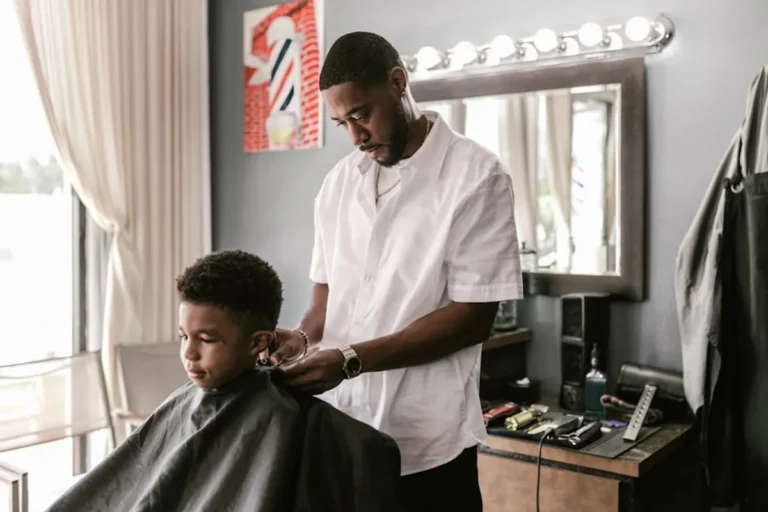
Selecting the right haircut for straight hair involves considering face shape, lifestyle, and desired maintenance level. A skilled barber can assess your hair's density, growth patterns, and the contours of your head to recommend a cut that optimizes your natural texture. Regular trims are crucial for maintaining the shape and health of straight hair, preventing split ends, and ensuring the style retains its intended precision. Experimentation with different styling products and techniques will help you discover what works best for achieving your desired look, whether that's maximizing volume, enhancing texture, or perfecting a sleek finish.
Frequently Asked Questions About Men's Straight Hair
How often should straight hair be cut to maintain its style?
For shorter, structured styles like the undercut or French crop, a trim every 3-4 weeks is typically recommended to maintain sharp lines and prevent the hair from losing its shape. Longer styles can go 6-8 weeks between trims to remove split ends and maintain layering.
What products are best for adding volume to fine, straight hair?
For volume, begin with a volumizing shampoo and conditioner. Pre-styling products like sea salt spray, mousse, or a volumizing tonic applied to damp hair before blow-drying are crucial. Finish with a lightweight matte paste or texture powder to maintain lift without weighing the hair down.
Can straight hair be styled to look wavy or curly?
While straight hair cannot naturally adopt a wavy or curly texture, it can be styled to create temporary waves using techniques like braiding damp hair overnight, using a curling iron with heat protectant, or applying strong-hold texture sprays and scrunching. These effects are usually temporary and require significant product and effort.
How do I choose the right straight-hair haircut for my face shape?
Consider cuts that balance your face shape. For round faces, styles with height (like a quiff) or sharp angles (like an undercut) can add definition. Square faces benefit from softer styles or those with some length on top. Oval faces are versatile and can usually pull off most straight-hair cuts. Consult with a barber to discuss options that best complement your features.