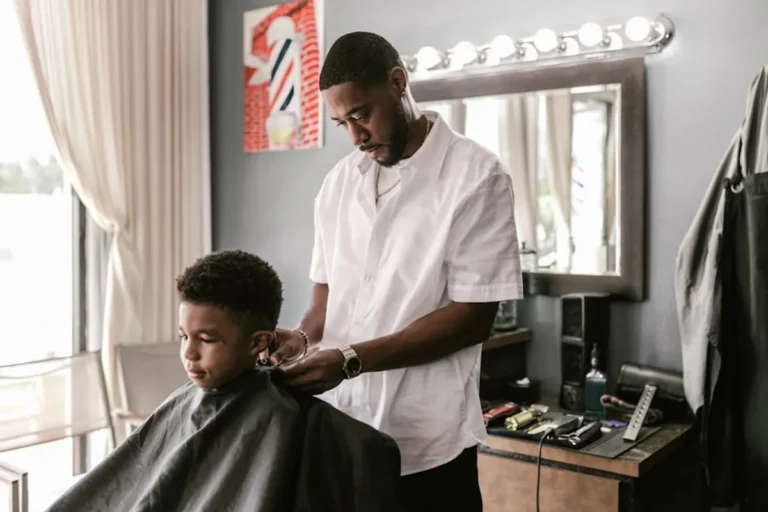
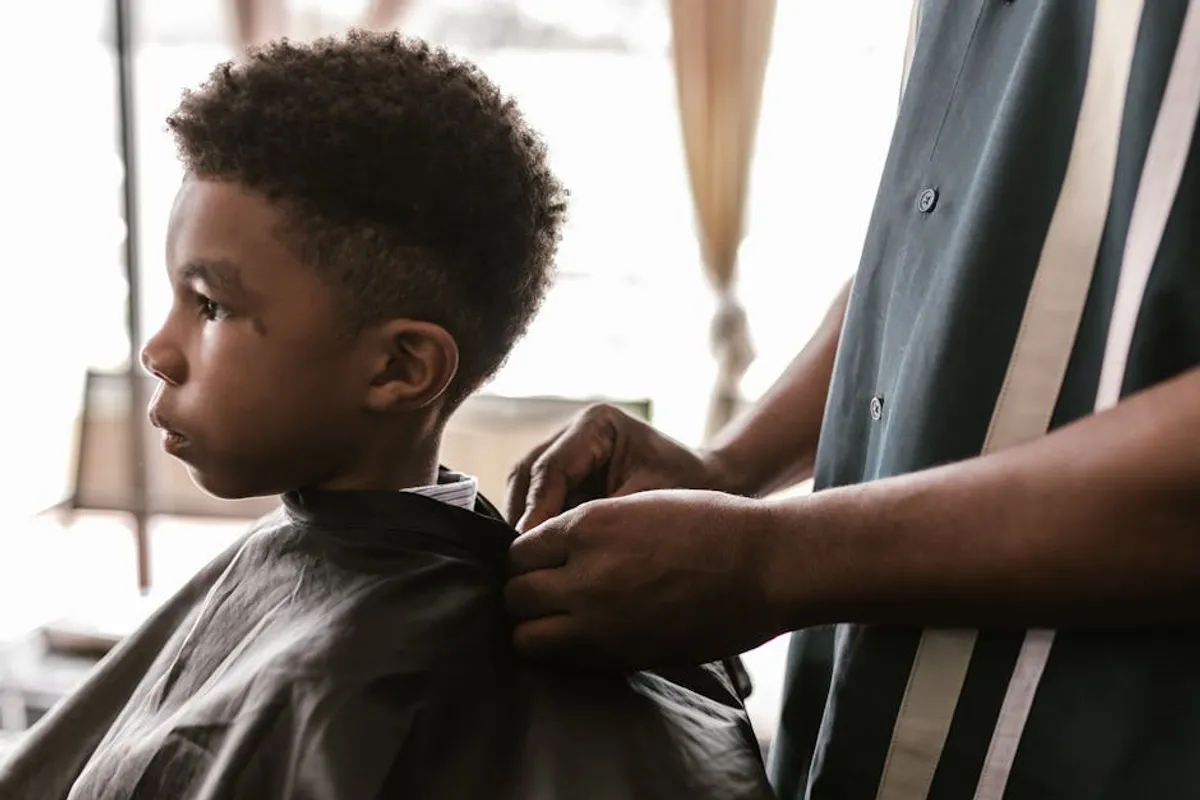
Choosing a haircut for a child balances several factors: the child's comfort, hair type, maintenance requirements, and current trends. The right style should be practical for their daily activities, easy for parents to manage, and ideally, something the child feels good wearing. This guide explores popular options, current trends, and practical considerations to help parents and guardians navigate the decision, ensuring a stylish and manageable outcome.
Key Considerations for Selecting a Kids' Haircut
Before settling on a specific style, evaluate several core elements. These factors directly influence both the practicality and the longevity of a haircut, ensuring it suits the child's lifestyle and hair characteristics.
- Hair Type: Straight, wavy, curly, or coily hair each respond differently to cuts. A style that looks effortless on straight hair might require significant styling for curly textures, and vice versa. Understanding the hair's natural texture and growth pattern is fundamental.
- Child's Age and Activity Level: Toddlers and very active children often benefit from shorter, low-maintenance cuts that stay out of their eyes and are less prone to tangles. Older children or those with less active routines might handle longer, more intricate styles.
- Maintenance Requirements: Consider how much time is available daily for washing, drying, and styling. Some cuts require minimal effort, while others depend on regular product application or heat styling to maintain their shape.
- Child's Preference: Involving the child, especially older ones, in the decision-making process increases their satisfaction and willingness to maintain the style. Show them pictures and discuss what they like and dislike.
Popular Haircut Styles for Boys
Boys' haircuts often prioritize ease of care and a clean, sharp appearance, though modern trends also embrace texture and longer lengths.
The Classic Crew Cut or Buzz Cut
Best for: Minimal maintenance, active kids, warmer climates.
These ultra-short styles are practical and require virtually no daily styling. The buzz cut is uniform in length all over, while the crew cut maintains slightly more length on top, gradually tapering down the sides and back. They are ideal for children who dislike hair in their face or for parents seeking the simplest routine.
Side Part or Comb Over
Best for: Versatility, neat appearance, slightly more formal occasions.
A perennial favorite, the side part offers a clean, polished look. It involves longer hair on top, often tapered or faded on the sides, with the top section combed neatly to one side. This style can be dressed up or down, making it adaptable for school and special events. It requires a comb and potentially a light styling product.
Textured Crop
Best for: Modern look, thick hair, easy styling.
The textured crop features shorter sides and back, with more length on top that is cut to create a choppy, textured finish. This style is popular for its contemporary feel and can be styled with fingers and a small amount of matte product for a natural, slightly messy look. It works well with various hair types, particularly those with some natural wave.
Popular Haircut Styles for Girls
Girls' haircuts offer a wide spectrum from playful bobs to layered long looks, focusing on movement, manageability, and personal expression.
The Classic Bob
Best for: Easy care, clean lines, all hair types.
A timeless choice, the bob comes in various lengths, from chin-length to shoulder-length. It provides a neat, structured look that is generally easy to maintain. A classic bob is cut blunt, but variations include layered bobs for added movement or an A-line bob that is shorter in the back and longer in the front. It keeps hair out of the face while still offering some length.
Layered Cuts
Best for: Adding volume and movement, managing thick hair, longer styles.
Layers are incorporated into medium to long hair to remove bulk, add shape, and enhance natural texture. They prevent long hair from looking heavy and can make styling easier by allowing curls or waves to form more freely. Layers can be subtle or more dramatic, framing the face and providing versatility for updos or ponytails.
Long Hair with Fringe (Bangs)
Best for: Adding character, framing the face, classic appeal.
Combining long hair with a fringe offers a sweet and classic look. Bangs can be blunt, wispy, or swept to the side, instantly changing the overall appearance and drawing attention to the eyes. While fringes require regular trims to stay out of the eyes, they provide a distinct style element that can be adapted as the child grows.
Pro Tip: Always bring clear reference photos to the stylist. What you describe as a "short bob" might differ from their interpretation. Visual aids ensure both parties are aligned on the desired outcome, minimizing misunderstandings and ensuring satisfaction.
Current Trends and Inspiration for Kids' Haircuts
Modern kids' hair trends often mirror adult styles, with an emphasis on natural textures, personalized touches, and functionality.
- Embracing Natural Texture: Many parents and stylists are moving towards cuts that enhance a child's natural curls, waves, or straight hair rather than forcing it into an unnatural style. This often means layered cuts for curly hair or subtle shaping for straight hair.
- Gender-Neutral Styles: The lines between traditionally "boy" and "girl" haircuts are blurring. Many short, textured, or medium-length styles are now considered appropriate for any child, focusing on individual preference and comfort.
- Retro Influences: Shag cuts, bowl cuts with a modern twist, and curtain bangs are making a comeback, offering playful and distinctive looks. These often involve softer lines and more movement than their predecessors.
- Vibrant Accessories: For longer hair, the trend extends to incorporating colorful clips, headbands, and braids, allowing children to personalize their look daily without a permanent cut.
Maintaining the Chosen Style
Once a haircut is selected, proper maintenance ensures it continues to look its best and remains comfortable for the child.
Regular trims are crucial for all styles, typically every 4-8 weeks, depending on the cut's length and desired sharpness. Shorter cuts like buzz cuts or bobs may need more frequent trims to maintain their shape. For longer styles, regular trims prevent split ends and keep hair healthy. Use kid-friendly shampoos and conditioners that are gentle on their scalp and hair. For styles requiring a bit more hold, opt for light, non-greasy products specifically designed for children, avoiding heavy gels or sprays that can build up.
Making the Best Haircut Choice
Selecting a kids' haircut is a balance of practicality, aesthetics, and personal preference. By considering hair type, activity level, maintenance, and involving the child in the decision, parents can choose a style that is both functional and enjoyable. The goal is a haircut that makes the child feel confident and comfortable, without adding unnecessary stress to daily routines.
Frequently Asked Questions About Kids' Haircuts
How often should a child get a haircut?
For short styles, every 4-6 weeks helps maintain shape. Longer styles can go 8-12 weeks, but regular trims prevent split ends and keep hair healthy.
What's the best haircut for a child with very fine hair?
Bobs or blunt cuts often work well for fine hair, as they create the illusion of thickness and volume. Layers can also add movement without removing too much bulk.
How can I make haircut time less stressful for my child?
Choose a kid-friendly salon, schedule appointments during their best mood, bring a favorite toy or snack, and talk positively about the experience beforehand. Distraction, like a tablet or book, can also be effective.
Are there any haircuts that are truly "no maintenance"?
Buzz cuts are the closest to "no maintenance" as they require no daily styling. However, even these need regular trims to maintain their very short length.