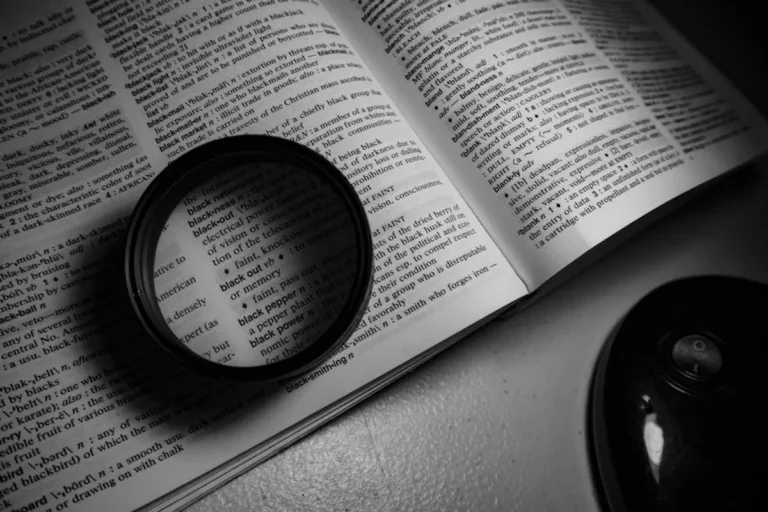

The young adult (YA) literary landscape consistently evolves, reflecting and shaping the cultural conversations of its primary demographic. For content strategists and publishers, understanding these shifts is critical. YA books, often characterized by their rapid pacing, strong character arcs, and exploration of complex themes, serve as a barometer for emerging reader interests and narrative engagement patterns. They are a significant driver of organic discussion, community building, and sustained audience attention—qualities highly valued in any content ecosystem. The selections for 2026 highlight titles poised to capture significant reader investment through innovative storytelling, thematic depth, and compelling world-building. These are not merely stories; they are case studies in effective audience capture and retention. For those drawn to speculative futures and societal critiques, exploring the best dystopian young adult books offers a compelling dive into cautionary tales.
What to Look For in a Standout YA Read
When evaluating young adult literature for its impact and longevity, several elements consistently contribute to a book's ability to resonate with its target audience and generate sustained engagement. Beyond basic narrative competence, look for a distinct voice—the author's unique perspective or writing style that differentiates the work. Character development should be robust, featuring protagonists who undergo significant internal and external change, fostering reader empathy and investment. Pacing is crucial; YA readers often prefer narratives that maintain momentum without sacrificing depth. Thematic relevance, addressing contemporary issues or universal human experiences, ensures the story feels timely and meaningful. Finally, consider the world-building, whether in a fantastical realm or a realistic setting; a well-constructed environment enhances immersion and provides fertile ground for reader speculation and discussion.
1. The Last Star Weaver
This high-fantasy epic introduces a meticulously crafted magic system centered around celestial alignments and ancient prophecies. The narrative follows Elara, a young cartographer who discovers her lineage connects her to a forgotten order capable of manipulating starlight. The book excels in its grand scope and intricate political intrigue, appealing to readers who enjoy extensive world-building and complex character motivations. Its structure builds suspense effectively, revealing layers of history and power dynamics that impact the protagonist's journey.
Best for: Readers who appreciate complex fantasy worlds, intricate magic systems, and a strong sense of destiny and adventure.
Pros:
- Expansive world-building provides rich detail and immersion.
- Well-developed magic system offers unique narrative possibilities.
- Multiple character perspectives enhance understanding of the political landscape.
- Strong emphasis on historical lore enriches the story's depth.
Cons:
- Initial pacing can be slow due to extensive world introduction.
- Large cast of characters may require careful attention to track allegiances.
- The intricate plot might be demanding for casual fantasy readers.
Verdict: A commanding entry into the high-fantasy genre, "The Last Star Weaver" rewards patient readers with a deeply immersive experience and a story that promises significant future development, positioning it as a cornerstone for a new series.
2. Echoes of the Solstice
Set in a future where humanity lives in orbital colonies after an ecological collapse, "Echoes of the Solstice" blends dystopian themes with space exploration and the ethical dilemmas of artificial intelligence. The protagonist, a young archivist named Kael, uncovers suppressed data about Earth's true fate and the sentient AI that governs their society. The narrative explores themes of truth, control, and the definition of humanity, presented through a fast-paced plot filled with discovery and moral choices.
Best for: Fans of speculative fiction, dystopian narratives, and stories that challenge perceptions of technology and survival.
Pros:
- Thought-provoking exploration of AI ethics and human resilience.
- Unique setting with detailed descriptions of orbital habitats.
- Strong plot momentum driven by escalating stakes.
- Raises relevant questions about historical revisionism and power.
Cons:
- Some philosophical concepts might feel dense to younger YA readers.
- The ending leaves several significant questions unanswered, indicating a series.
- Character development occasionally takes a backseat to plot progression.
Verdict: "Echoes of the Solstice" delivers a compelling, intellectually stimulating sci-fi experience, offering a fresh take on post-apocalyptic survival and the future of human-AI coexistence, making it a strong conversation starter.
3. Paperback Summer
"Paperback Summer" is a contemporary YA novel that captures the essence of first love, self-discovery, and the bittersweet transition into adulthood. Set in a small coastal town during a single transformative summer, the story follows Maya, who takes a job at a local independent bookstore and navigates new friendships, family expectations, and an unexpected romance. Its strength lies in its authentic character voices and the palpable atmosphere of summer, appealing to readers seeking emotional depth and relatable experiences.
Best for: Readers who enjoy character-driven contemporary romance, coming-of-age stories, and narratives focused on personal growth.
Pros:
- Authentic and relatable portrayal of teenage emotions and relationships.
- Evocative setting that enhances the story's nostalgic appeal.
- Strong focus on character development and internal conflict.
- Explores themes of community, family, and finding one's place.
Cons:
- Plot relies heavily on character interactions rather than external conflict.
- Pacing can feel gentle, potentially slow for readers seeking high stakes.
- Some tropes of the contemporary romance genre are present.
Verdict: A charming and emotionally resonant read, "Paperback Summer" is a standout for its genuine depiction of young love and self-discovery, offering a comforting yet insightful narrative that lingers after the final page.
4. The Vanishing Point
This psychological thriller unfolds within the secluded, elite halls of Oakhaven Academy, where a student's disappearance unearths a web of long-held secrets and rivalries. Protagonist Wren, an outsider scholarship student, finds herself entangled in the investigation, questioning everything she thought she knew about her classmates and the institution itself. The novel masterfully builds tension through unreliable narration and a claustrophobic setting, keeping readers guessing until the final reveal.
Best for: Those who enjoy mystery, psychological thrillers, and stories with twists that challenge expectations.
Pros:
- Intricate plot with multiple red herrings and compelling twists.
- Atmospheric setting that enhances the sense of unease.
- Strong character voice for the protagonist, driving reader engagement.
- Explores themes of class, privilege, and the pressure of perfection.
Cons:
- Some character motivations can be difficult to fully empathize with.
- The dark tone might not appeal to all YA readers.
- Pacing can be intense, offering little respite from the mystery.
Verdict: "The Vanishing Point" is a gripping and sophisticated thriller that effectively uses its academic backdrop to heighten suspense, delivering a satisfyingly complex mystery that will keep readers engrossed.
5. A Whisper of Wildfire
Set against the backdrop of rural England during World War I, "A Whisper of Wildfire" is a historical fiction novel that focuses on the resilience of young women left to manage life on the home front. Elara, a determined farm girl, takes on responsibilities far beyond her years as her brothers go to war, navigating societal expectations, personal loss, and the burgeoning suffragette movement. The book offers a nuanced portrayal of a pivotal historical period through a deeply personal lens.
Best for: Readers interested in historical fiction, stories of female empowerment, and narratives exploring themes of duty and sacrifice.
Pros:
- Historically accurate details provide a rich and authentic setting.
- Strong, independent female protagonist drives the narrative.
- Explores the often-overlooked experiences of women during wartime.
- Emotional depth and exploration of grief and hope.
Cons:
- The historical context might require some prior knowledge for full appreciation.
- Pacing can be reflective, focusing more on character internal states than external action.
- Some subplots feel less developed than the main narrative thread.
Verdict: "A Whisper of Wildfire" is a poignant and powerful historical novel that brings a significant era to life through the eyes of a resilient young woman, offering both educational value and emotional resonance.
6. Neon Shadow Pact
This urban fantasy novel plunges readers into a modern city where ancient magical factions operate in the shadows, vying for control. When a routine street art heist goes wrong, aspiring graffiti artist Kai discovers he possesses dormant magical abilities and is drawn into a clandestine war. "Neon Shadow Pact" combines the grittiness of urban life with the allure of hidden magic, featuring a diverse cast of characters and high-stakes action sequences.
Best for: Enthusiasts of urban fantasy, fast-paced action, and stories featuring secret societies and unexpected magical powers.
Pros:
- Dynamic blend of contemporary urban setting and magical elements.
- Unique magic system tied to creativity and street culture.
- Diverse and compelling cast of characters.
- High-octane action sequences maintain reader engagement.
Cons:
- The rapid pace might occasionally sacrifice character introspection.
- Some world-building elements are introduced quickly, requiring reader adaptation.
- The ending sets up future installments rather than fully resolving the immediate conflict.
Verdict: "Neon Shadow Pact" is an energetic and inventive urban fantasy that successfully merges street-level realism with fantastical elements, offering a fresh and engaging take on secret magical wars within plain sight.
7. Where the River Remembers
A magical realism novel set in a small, isolated town nestled beside a river with a mysterious past. Elara, a young woman with a unique connection to the town's history, begins to experience fragmented memories that aren't her own, leading her to uncover a generational secret tied to the river's flow. The narrative is atmospheric and introspective, weaving together folklore, family history, and the subtle presence of magic within everyday life.
Best for: Readers who appreciate lyrical prose, atmospheric settings, and stories that blend reality with subtle fantastical elements and deep emotional resonance.
Pros:
- Beautifully written prose creates a strong sense of place and mood.
- Unique blend of family saga, mystery, and magical realism.
- Explores themes of memory, legacy, and the power of nature.
- Characters are deeply complex and authentically flawed.
Cons:
- Pacing is deliberate and meditative, not suited for action-oriented readers.
- The magical elements are subtle, which might disappoint those expecting overt fantasy.
- The narrative can be emotionally heavy at times.
Verdict: "Where the River Remembers" is a hauntingly beautiful and deeply moving work of magical realism, offering a rich tapestry of history and emotion that will resonate with readers who value atmosphere and introspection.
8. The Seedling Protocol
In a future where a global ecological disaster has forced humanity underground, "The Seedling Protocol" follows a group of young survivors tasked with finding a way to re-terra-form the surface. The protagonist, Lyra, a botanist-in-training, discovers that the protocol they've been following is incomplete, leading her on a dangerous mission to find the true solution. This dystopian survival story emphasizes scientific problem-solving, community dynamics, and the ethical costs of survival.
Best for: Those who enjoy post-apocalyptic settings, scientifically-grounded speculative fiction, and stories about human ingenuity and cooperation.
Pros:
- Unique focus on botany and ecological restoration in a dystopian context.
- Strong emphasis on problem-solving and scientific ingenuity.
- Explores complex themes of environmental responsibility and collective survival.
- Well-developed ensemble cast with distinct roles and motivations.
Cons:
- The scientific detail might occasionally slow narrative momentum.
- Some character conflicts feel secondary to the overarching survival plot.
- The bleak setting could be challenging for some readers.
Verdict: "The Seedling Protocol" offers a refreshing and intellectually engaging take on the dystopian genre, providing a hopeful yet challenging vision of humanity's future through scientific discovery and collaborative effort.
9. Ink & Embers: A Fae Chronicle
This graphic novel brings a vibrant visual dimension to the YA fantasy genre. Following the journey of a young artist who discovers her drawings can bring fae creatures into the human world, "Ink & Embers" combines stunning artwork with a compelling narrative about creativity, responsibility, and interdimensional conflict. The visual storytelling is dynamic, with each panel contributing to the world-building and character expression.
Best for: Readers who appreciate graphic novels, visual storytelling, and unique takes on fae mythology with a strong artistic component.
Pros:
- Exceptional artwork and paneling enhance narrative impact.
- Creative integration of art as a magical power.
- Accessible entry point for readers new to fantasy or graphic novels.
- Strong character designs and emotional expressions.
Cons:
- The story length is shorter than traditional novels, potentially leaving readers wanting more.
- Reliance on visual cues means some plot details are implied rather than explicitly stated.
- The art style, while distinct, may not appeal to all preferences.
Verdict: "Ink & Embers" is a visually captivating and imaginatively told fae story that leverages the graphic novel format to its full potential, offering a unique and engaging reading experience that stands out in the YA landscape.
10. The Silent Grove
"The Silent Grove" is a supernatural horror novel that traps a group of teenagers in an ancient, haunted forest with a malevolent entity. When their summer camping trip turns deadly, they must confront not only the external threat but also their own fears and secrets. The book excels at building an atmosphere of dread and paranoia, utilizing classic horror tropes while injecting fresh psychological depth into its characters' struggles for survival.
Best for: Fans of horror, supernatural thrillers, and stories that explore group dynamics under extreme duress.
Pros:
- Effective use of atmosphere to create sustained tension and dread.
- Well-executed jump scares and psychological horror elements.
- Explores themes of guilt, friendship, and the unknown.
- Fast-paced narrative keeps readers on edge.
Cons:
- Some character decisions align with horror genre clichés.
- The ending, while impactful, may be too dark for some readers.
- Limited world-building beyond the immediate setting.
Verdict: A chilling and intense horror entry, "The Silent Grove" delivers a potent blend of supernatural terror and psychological suspense, making it a compelling read for those who enjoy being genuinely frightened.
11. Court of Dreams
"Court of Dreams" is a contemporary YA novel centered on the competitive world of high school basketball. It follows Chloe, a talented point guard with aspirations for a college scholarship, as she navigates team politics, personal sacrifices, and the intense pressure from her family and coach. The book offers an authentic look into the life of a student-athlete, exploring themes of ambition, teamwork, and finding balance between personal dreams and external expectations.
Best for: Readers interested in sports fiction, stories about overcoming challenges, and narratives focused on ambition and teamwork.
Pros:
- Authentic portrayal of competitive sports and athlete mindset.
- Strong female protagonist with clear goals and struggles.
- Explores themes of dedication, sacrifice, and mentorship.
- Engaging and well-described game sequences.
Cons:
- The narrative is highly focused on basketball, which might not appeal to all readers.
- Some character conflicts feel resolved too neatly.
- Romantic subplots are secondary and less developed.
Verdict: "Court of Dreams" is a compelling and inspiring sports drama that captures the intensity of athletic ambition and the complexities of team dynamics, offering a resonant story for anyone who has pursued a passion.
12. Serpent's Crown & Thorns
A dark fairy tale retelling, "Serpent's Crown & Thorns" reimagines a classic myth with a focus on political intrigue, morally gray characters, and a complex magic system. Princess Lyra is forced into an arranged marriage with a powerful, enigmatic king from a rival kingdom, only to discover she is a pawn in a larger game of power and ancient curses. This novel delves into themes of sacrifice, destiny, and the blurred lines between hero and villain.
Best for: Readers who enjoy dark fantasy, fairy tale retellings, political machinations, and morally ambiguous characters.
Pros:
- Inventive and darker reimagining of a familiar fairy tale.
- Complex political landscape and power struggles.
- Strong focus on character agency and difficult choices.
- Rich world-building with unique magical elements.
Cons:
- The dark tone and morally ambiguous characters might not appeal to all YA readers.
- Pacing can be dense due to the intricate plot.
- The ending creates significant cliffhangers for future installments.
Verdict: "Serpent's Crown & Thorns" is a sophisticated and enthralling dark fantasy that breathes new life into classic mythology, offering a compelling narrative for those who appreciate intricate plots and morally complex heroines.
How to Select Your Next YA Read
Choosing the right young adult book involves aligning your preferences with the book's core offerings. Consider the primary genre: are you seeking escapism through fantasy, intellectual stimulation from sci-fi, emotional connection in contemporary, or suspense in a thriller? Evaluate the thematic depth; some books tackle social issues directly, while others explore universal coming-of-age challenges. Pay attention to the narrative style—do you prefer fast-paced action, character-driven introspection, or lyrical prose? Finally, assess the series potential; many YA books are part of a larger series, which can be a commitment. Understanding these elements will help you identify books that not only entertain but also resonate with your specific interests and content consumption patterns.
Frequently Asked Questions About Young Adult Books
What defines a "Young Adult" book?
YA books are primarily written for readers aged 12 to 18. They typically feature protagonists within this age range and explore themes relevant to adolescence, such as identity, first love, friendship, family dynamics, and navigating societal expectations. While the target audience is specific, YA literature often attracts adult readers due to its compelling storytelling and accessible themes.
Are YA